
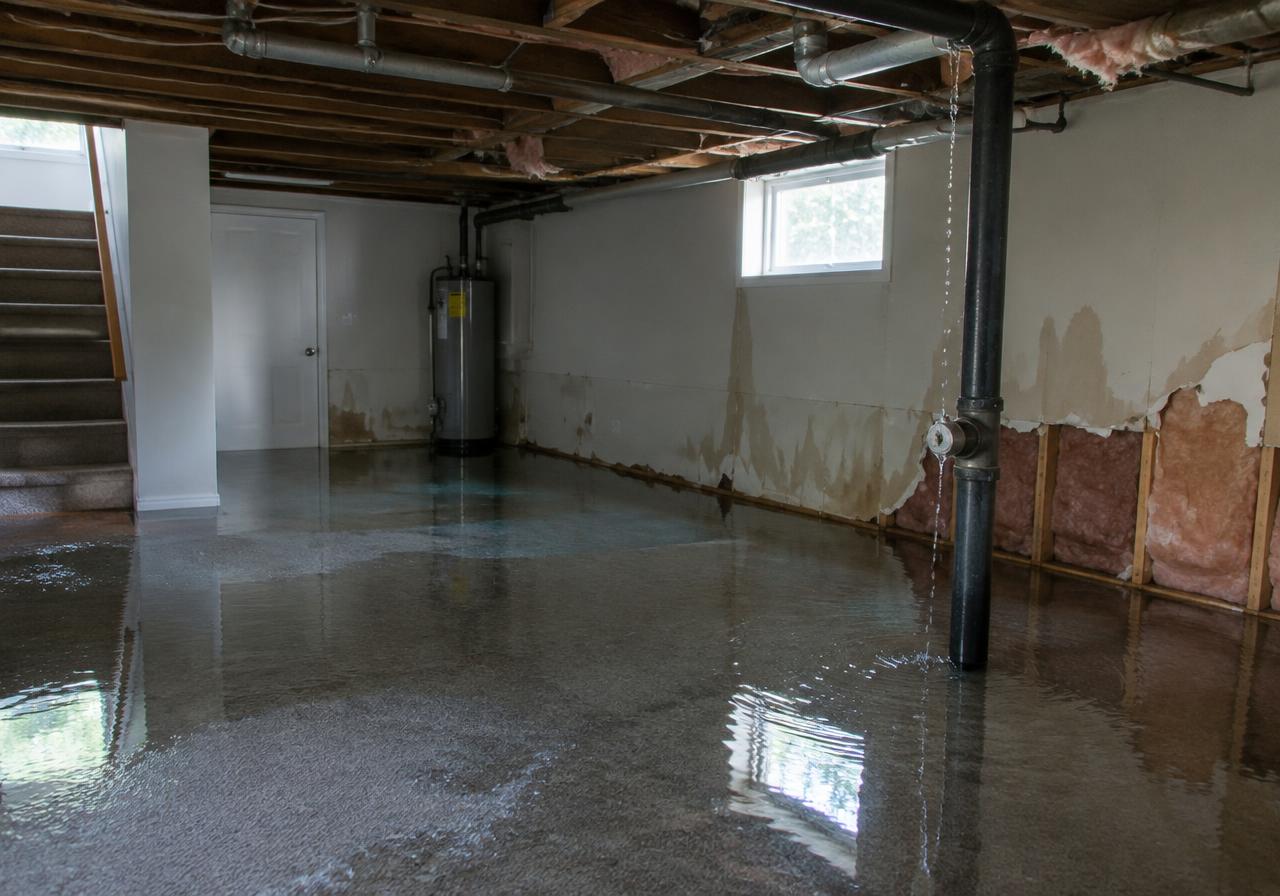
What are the immediate steps to take if a pipe bursts in your New Jersey home?
If a pipe bursts in your New Jersey home, the immediate priority is to stop the water flow to prevent further damage.
First, locate your home's main water shut-off valve and turn it off completely. This valve is typically found in the basement, utility room, near the water meter, or outside where the main water line enters the house. Knowing its location beforehand can save critical time when a burst pipe occurs. In many older New Jersey homes, these valves might be stiff or hard to reach, so familiarizing yourself with their operation is beneficial.
Next, if the burst pipe is near an electrical outlet or appliance, and it's safe to do so without touching water, turn off the electricity to that area at your main electrical panel. Water and electricity are a dangerous combination, and cutting power minimizes the risk of electrocution or electrical fires. Be extremely cautious and prioritize personal safety above all else.
After securing the water and electricity, open all faucets in your home, both hot and cold, to help drain any remaining water from the plumbing system. This can reduce pressure in the pipes and lessen the amount of water escaping from the burst point. This step is particularly important in winter months, as it can help prevent additional freezing if the burst was caused by ice expanding within the pipe.
Finally, begin to contain the water by placing buckets under the leak and moving any valuable or easily damaged items away from the affected area. While these initial steps won't solve the problem, they are crucial for mitigating the immediate impact and preparing for professional help.
How can I prevent burst pipes in my New Jersey home, especially during winter?
Preventing burst pipes in your New Jersey home, particularly during the region's harsh freeze-thaw winters, involves several proactive measures to protect your plumbing.
One of the most effective strategies is to properly insulate exposed pipes, especially those in unheated areas like basements, crawl spaces, attics, garages, and along exterior walls. Using foam pipe insulation sleeves, readily available at hardware stores, can significantly reduce heat loss from water pipes, preventing the water inside from freezing and expanding. This is crucial for older homes common throughout Bergen, Hudson, and Essex counties, which may have less robust insulation.
During sustained cold snaps, especially when temperatures dip below freezing for extended periods, let faucets drip slowly. A small trickle of water, whether hot or cold, keeps water moving through the pipes, making it much harder for ice to form. This can be especially helpful for pipes running along exterior walls or through unheated spaces.
Seal any air leaks around your home's foundation and exterior walls where pipes are located. Even small gaps or cracks can allow frigid air to reach and freeze pipes. Use caulk or weatherstripping to seal these openings, paying close attention to areas around utility penetrations.
Before winter, drain and shut off outdoor spigots and sprinkler systems to prevent water from freezing in them. Disconnect garden hoses and store them indoors. Also, ensure your heating system is well-maintained and that all areas of your home, including basements and attics, maintain a consistent, above-freezing temperature, ideally above 55 degrees Fahrenheit. If you plan to be away, never turn your heat off completely; instead, set it to a lower, but still safe, temperature.
What are common causes of burst pipes in New Jersey properties?
Burst pipes in New Jersey properties are most commonly caused by freezing temperatures, but several other factors can also contribute to this plumbing emergency.
The primary culprit, especially during our distinctive nor'easters and cold snaps, is the expansion of water as it freezes. When water inside a pipe freezes, it expands with immense force, creating pressure that can cause the pipe to rupture. This is particularly prevalent in poorly insulated pipes or those in unheated areas like basements, crawl spaces, and exterior walls, common in both older and newer construction throughout North and Central Jersey.
Aging plumbing systems are another significant factor. Many homes in areas like Union, Middlesex, and Monmouth counties feature older galvanized steel or copper pipes that have deteriorated over decades. Corrosion, rust, and mineral buildup can weaken pipe walls, making them more susceptible to bursting under pressure, whether from freezing or other stressors. The constant stress of normal water pressure can eventually lead to failure in compromised pipes.
High water pressure can also contribute to burst pipes. While municipal water systems in New Jersey are designed to deliver water at a specific pressure, occasional surges or inadequately regulated home systems can exert excessive force on pipes, leading to ruptures, especially at weak points or joints. A pressure reducing valve can help mitigate this.
Finally, shifting foundations, improperly installed pipes, or even accidental damage from renovations can weaken pipes and lead to bursts. Even minor impacts can create hairline fractures that develop into major leaks over time. The ground movement associated with freeze-thaw cycles can also stress underground pipes.
When should I call a professional plumber for a burst pipe?
You should call a professional plumber for a burst pipe immediately after you have safely turned off the main water supply and secured any electrical hazards.
A burst pipe is not typically a DIY repair for homeowners, especially given the potential for extensive water damage and the need for durable, code-compliant plumbing solutions. Our team at Pipe Rescue Plumbing has the specialized tools and expertise to accurately locate the burst section, even if it's hidden behind walls or under floors, and perform a lasting repair. Attempting to fix it yourself without proper knowledge can lead to further damage, recurring leaks, or unsafe plumbing conditions.
Professional plumbers can also assess the extent of the damage to your plumbing system, identifying any other weak points that might be at risk, which is particularly important in older homes found in many New Jersey towns. They can advise on whether insulation needs improvement or if sections of piping require replacement due to age or corrosion.
Furthermore, a professional can properly re-pressurize your system after the repair, check for any lingering leaks, and ensure all components are functioning correctly. This comprehensive approach ensures that the immediate problem is solved and helps prevent future incidents. Calling Pipe Rescue Plumbing as soon as possible ensures that expert help is on its way to mitigate the emergency effectively.
What are the risks of ignoring or delaying a burst pipe repair?
Ignoring or delaying a burst pipe repair in your New Jersey home carries significant risks, primarily leading to extensive water damage and potential health hazards.
The most immediate and obvious risk is progressive structural damage. Water from a burst pipe can quickly saturate building materials like drywall, insulation, flooring, and wooden structural elements. This can lead to warping, rotting, swelling, and weakening of your home's framework over time. In a state prone to basements like New Jersey, even a small leak can quickly turn a finished basement into a waterlogged disaster, compromising personal belongings and the structural integrity of the lower level.
Beyond structural issues, standing water and prolonged dampness create an ideal environment for mold and mildew growth. Mold can begin to form within 24 to 48 hours of water exposure and can spread rapidly, particularly in humid New Jersey climates. Mold not only causes unpleasant odors but can also lead to respiratory issues, allergies, and other health problems for your family. Remediation can be costly and complex.
Electrical hazards are another serious concern. Water can infiltrate electrical wiring, outlets, and appliances, leading to short circuits, power outages, and potentially dangerous electrical fires or electrocution risks. This is why immediate power shut-off is critical. Delaying repair means prolonged exposure to this danger.
Finally, the longer a burst pipe goes unaddressed, the higher the repair and restoration costs will likely be. What might have started as a contained leak can quickly become a multi-room flood, requiring extensive water extraction, drying, and rebuilding. Prompt action limits the scope of damage and subsequently, the financial burden. Therefore, quick response is paramount.
How does water extraction and drying work after a burst pipe?
After a burst pipe, water extraction and drying are critical steps in the water damage cleanup process to prevent secondary damage like mold and structural decay.
The first phase, water extraction, involves removing all standing water from the affected areas using powerful pumps and wet/dry vacuums. This initial removal is essential because the quicker water is extracted, the less time it has to penetrate porous materials and cause deeper saturation. Our team uses commercial-grade equipment to efficiently extract water from carpets, subfloors, and other saturated surfaces, aiming to remove as much moisture as possible from your home in Bergen, Passaic, or Morris County.
Following extraction, the focus shifts to structural drying, which involves using specialized equipment to evaporate remaining moisture from the building materials and the air. High-capacity air movers, or industrial fans, are strategically placed to create airflow across wet surfaces, accelerating the evaporation process. Simultaneously, commercial-grade dehumidifiers are used to remove the evaporated moisture from the air, preventing it from settling back into materials.
Throughout the drying process, moisture readings are continuously taken using advanced moisture meters. These readings help monitor the drying progress and ensure that all affected areas, including behind walls and under floors, are thoroughly dried to industry standards. This precise measurement helps prevent hidden moisture pockets that could lead to mold growth or long-term structural issues. The goal is to return moisture levels in materials to their normal pre-loss state.
This meticulous approach to water extraction and drying is crucial for homeowners in New Jersey, where basements and older homes can be particularly susceptible to hidden moisture issues. Proper drying minimizes the need for extensive repairs and ensures a healthier living environment.
What is involved in flooded basement cleanup after a pipe burst?
Flooded basement cleanup after a pipe burst involves a comprehensive process that goes beyond simply removing standing water, especially given the prevalence of basements in New Jersey homes.
Initially, the process begins with immediate water extraction using powerful submersible pumps and industrial-strength wet vacuums to remove all visible standing water. This is crucial for basements, which can accumulate large volumes of water quickly. Our professional teams focus on removing water from all surfaces, including carpets, concrete, and any items submerged in the flood.
Once standing water is removed, all water-damaged items, including furniture, rugs, electronics, and personal belongings, must be assessed. Non-salvageable items are documented and properly disposed of, while salvageable items are moved to a dry area for cleaning and drying. This step is particularly important in finished basements common in areas like Somerset and Hunterdon counties, where extensive personal property can be at risk.
The next critical phase is structural drying. High-powered air movers and commercial dehumidifiers are deployed to dry out the basement thoroughly. This includes drying walls, floors, structural timbers, and any remaining contents. Our technicians use moisture meters to accurately assess humidity levels and ensure that all hidden moisture, often trapped behind drywall or under flooring, is completely evaporated to prevent mold growth.
Finally, cleanup involves sanitizing and deodorizing the affected areas. All surfaces are cleaned to remove contaminants and prevent mildew. Odor treatments are applied to eliminate any musty smells caused by water damage. This complete process restores your basement to a safe and habitable condition, addressing both visible and hidden consequences of the flood.
How does insurance claim assistance work for burst pipe damage?
Insurance claim assistance for burst pipe damage involves providing the necessary documentation and support to help homeowners navigate the claims process, though the customer always files and controls their claim.
When Pipe Rescue Plumbing assists with insurance claims, our primary role is to supply comprehensive documentation of the damage and the work performed. This includes detailed photos of the affected areas before, during, and after the cleanup and repair process. These visual records are vital for demonstrating the extent of the damage to your insurer, which is essential for claims involving older homes or extensive damage in areas like Ocean and Burlington counties.
We also provide meticulous moisture readings and reports. Our technicians use specialized equipment to accurately measure moisture levels in various building materials. This data helps establish the scope of water penetration and the effectiveness of our drying efforts, providing objective evidence for your insurance company regarding the necessity of the services rendered.
Furthermore, we document all services provided, including water extraction, drying equipment usage, and any necessary repairs or demolition. This detailed record helps substantiate the costs associated with the water damage mitigation and restoration. Our team can communicate directly with your insurance adjuster, explaining the technical aspects of the damage and the restoration process.
It's important to remember that coverage depends on your specific insurance policy. While we provide robust documentation, the final decision on coverage and reimbursement rests with your insurance provider. We empower you with the information needed to present a strong case, helping you understand what to expect and supporting you through the process, but you, the homeowner, remain in control of your claim.
What are common mistakes to avoid when dealing with a burst pipe?
When dealing with a burst pipe, avoiding several common mistakes can significantly limit damage and ensure a smoother recovery process for New Jersey homeowners.
A critical mistake is failing to turn off the main water supply immediately. Every minute that water continues to flow from a burst pipe contributes to more extensive damage to your home's structure and contents. Locate and familiarize yourself with your main water shut-off valve *before* an emergency occurs, as fumbling for it during a crisis only exacerbates the problem.
Another common error is neglecting to shut off electricity to the affected area. Water and electricity are a dangerous combination, and ignoring this step can lead to electrical shorts, appliance damage, or, most dangerously, electrocution. Always prioritize personal safety and power down any circuits or the main breaker if water is near electrical outlets or appliances.
Homeowners often make the mistake of attempting extensive DIY repairs without proper knowledge or tools. While temporary fixes might seem appealing, improper repairs can lead to recurring leaks, greater water damage, or even compromise your home's plumbing system. For a lasting and safe solution, professional plumbers have the expertise and specialized equipment needed for effective repair.
Underestimating the extent of water damage is also a frequent oversight. Even if standing water is quickly removed, moisture can linger in hidden areas like behind walls, under flooring, and within insulation. Failing to thoroughly dry these areas can lead to mold growth, structural rot, and lingering odors. Professional water damage restoration includes moisture readings to ensure complete drying. Lastly, delaying professional cleanup and drying can significantly increase the total cost of repairs and the likelihood of secondary issues like mold.
What should I know about plumbing repair services for burst pipes?
When seeking plumbing repair services for burst pipes, understanding the scope of work and what to expect from professionals like Pipe Rescue Plumbing is essential.
Our plumbing repair services begin with a thorough assessment to locate the exact source of the burst pipe and evaluate the extent of the damage. This might involve using non-invasive leak detection equipment, especially if the pipe is hidden within walls or under floors. For older New Jersey homes, pipes can be tricky to access and may require specialized techniques to pinpoint the problem without unnecessary demolition.
Once located, the damaged section of the pipe is either repaired or replaced. Depending on the material and condition of your existing plumbing, our technicians will determine the most effective and durable solution. We work with various pipe materials, including copper, PEX, and PVC, ensuring the repair integrates seamlessly with your current system. For homes in areas like Sussex and Warren counties, where well systems might be prevalent, specialized knowledge of pressure systems is also applied.
Before any work begins, we explain the pricing structure clearly, ensuring you understand the costs involved. This transparency is a core part of our service, preventing surprises later on. Our goal is to provide a reliable, long-term solution rather than a temporary patch.
After the repair, the system is carefully tested to ensure there are no further leaks and that water pressure is restored to normal. We also check for any residual issues that may have arisen from the burst. Our comprehensive service ensures that your plumbing system is fully functional and secure, helping to prevent future incidents. Availability for services varies by town, so calling to confirm is always recommended for your specific location in North or Central New Jersey.