
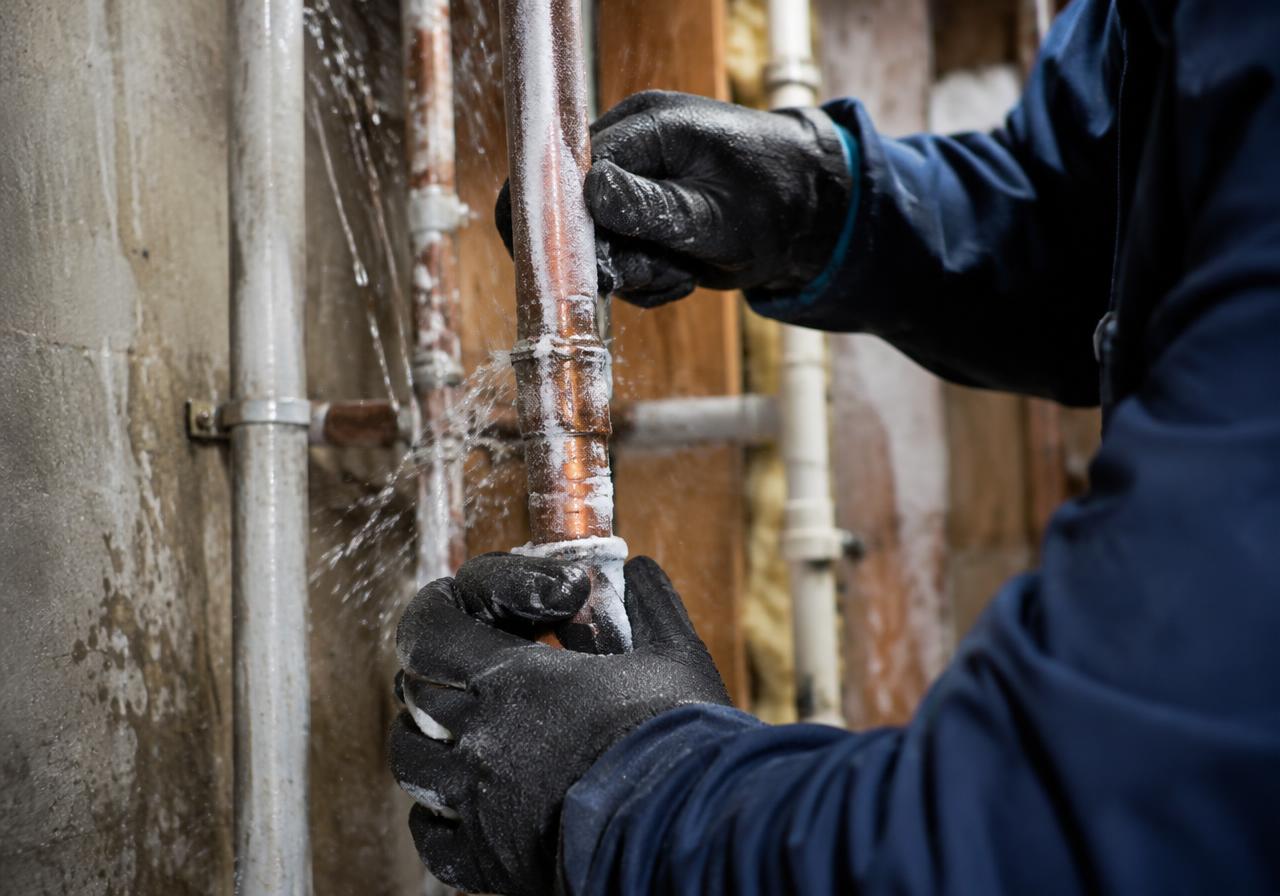
Why are frozen pipes a significant concern for New Jersey homeowners?
Frozen pipes pose a significant threat to New Jersey homes primarily due to the state's distinct winter climate, characterized by frequent freeze-thaw cycles and extended periods of sub-freezing temperatures.
Unlike a slow leak, a burst pipe can release hundreds of gallons of water per hour, leading to immediate and extensive damage.
Older homes common throughout many New Jersey counties, from Bergen to Monmouth, often have less insulated plumbing in crawl spaces, basements, or exterior walls, making them particularly vulnerable.
These conditions are exacerbated during events like nor'easters, which can bring not only extreme cold but also power outages, leaving homes without their primary heat source to protect plumbing.
The expansion of water as it freezes exerts immense pressure on pipes, often leading to ruptures in weakened areas, especially plastic (PEX) or copper pipes, with galvanized steel pipes also susceptible at joints or already corroded sections.
Understanding this risk is the first step toward effective prevention and safeguarding your property against costly water damage.
This is particularly critical in coastal areas, such as parts of Ocean and Monmouth counties, where homes may be exposed to colder, windier conditions and potentially less protected plumbing due to historical construction practices or seasonal occupancy.
What are the key areas in a New Jersey home most vulnerable to frozen pipes?
The most vulnerable areas in a New Jersey home prone to frozen pipes are typically unheated spaces or those with inadequate insulation where plumbing runs, exposing pipes directly to cold air.
This includes basements and crawl spaces, which are common in many New Jersey residences, especially those with older foundations.
Pipes located in exterior walls, particularly on the north-facing side of a house, are also highly susceptible because they are more directly exposed to winter winds and colder temperatures.
Attics and garages, even if attached, often lack the consistent heating of living spaces, making any water lines, such as those supplying washing machines or utility sinks, prime candidates for freezing.
Additionally, any exposed outdoor plumbing, including garden hose bibs, sprinkler systems, and pipes leading to outdoor showers or pool equipment, are at extremely high risk.
Homes in elevated or more rural areas, like parts of Sussex or Warren counties, may experience harsher cold, increasing the risk for all these locations.
How can I prepare my exterior plumbing for New Jersey's winter to prevent freezing?
Preparing your exterior plumbing for New Jersey's winter involves a series of proactive steps to eliminate water exposure and insulate vulnerable components.
First, disconnect all garden hoses from outdoor spigots; leaving them attached can trap water in the pipe leading to the spigot, causing it to freeze and burst.
Next, drain any remaining water from outdoor spigots by turning off the interior shut-off valve (if applicable) and then opening the exterior faucet to allow gravity to clear the line.
For sprinkler systems, it is crucial to have them professionally blown out by a landscaper or irrigation specialist to remove all water from the lines; simply turning off the water supply is not enough.
Insulate outdoor spigots with foam covers, which are inexpensive and easy to install, providing an extra layer of protection against freezing temperatures.
If you have an outdoor shower or pool lines, ensure they are thoroughly drained and winterized according to manufacturer guidelines or professional advice.
Taking these steps before the first significant freeze will greatly reduce the risk of outdoor pipe damage.
Even homes in warmer parts of the state like Mercer or Burlington counties can experience severe cold snaps where these measures become critical.
What are the best insulation techniques for interior pipes in New Jersey homes?
The best insulation techniques for interior pipes in New Jersey homes focus on reducing heat loss and protecting exposed plumbing from frigid air.
For pipes in unheated areas like basements, crawl spaces, and attics, installing foam pipe insulation sleeves is a highly effective and relatively easy DIY solution; these sleeves are available at most hardware stores and can be cut to fit.
Wrap heating tapes or cables around pipes that are particularly vulnerable or in exceptionally cold spots, ensuring they are approved for plumbing use and installed according to manufacturer instructions; these often include a thermostat to activate only when temperatures drop to a freezing point.
Seal any cracks or openings in exterior walls, foundations, and around utility penetrations that could allow cold air to infiltrate near pipes.
Adding insulation to walls, floors, and ceilings above unheated crawl spaces or basements can also significantly raise the ambient temperature around pipes.
Consider insulating garage doors, especially if water supply lines run through the garage, to maintain a slightly warmer environment.
These methods create a barrier against the cold, helping to keep the water within the pipes above freezing, a crucial step given New Jersey's fluctuating winter temperatures that can stress even well-protected plumbing.
During cold snaps in New Jersey, what active measures can I take to prevent pipes from freezing?
During cold snaps in New Jersey, active measures can provide immediate protection for your pipes beyond passive insulation, especially when temperatures are expected to plummet.
Leave cabinet doors open under sinks on exterior walls to allow warmer indoor air to circulate around the pipes.
Set your thermostat to at least 55 degrees Fahrenheit, even if you are away from home, as consistent heat distribution is vital to keeping all areas of your house, including those with plumbing, above freezing.
If you have specific vulnerable pipes, such as those in a utility room or unheated basement corner, consider running a small space heater nearby, ensuring it is placed safely away from flammable materials and on a stable surface.
Allowing a small trickle of cold water to flow from a faucet, particularly from a sink on an exterior wall, can prevent freezing; moving water is much less likely to freeze than stagnant water, and even a slow drip can relieve pressure in the line.
These active steps are particularly important during severe cold waves or when temperatures drop well below freezing overnight, common occurrences in New Jersey winters.
Remember that even short periods of extreme cold can cause significant damage if pipes are left unprotected.
What are common mistakes New Jersey homeowners make that lead to frozen pipes?
New Jersey homeowners often make several common mistakes that inadvertently lead to frozen pipes, underscoring the importance of vigilance during winter.
A primary error is assuming that just because a pipe is indoors, it's safe; pipes in unheated basements, crawl spaces, garages, or exterior walls are still highly susceptible.
Neglecting to disconnect and drain garden hoses is another frequent oversight; a hose left attached allows water to sit in the spigot's supply line, leading to a burst.
Turning off the heat completely when leaving for an extended period, particularly for seasonal properties along the shore in Ocean or Monmouth counties, is a critical mistake.
Many homeowners also fail to adequately insulate vulnerable pipes or seal air leaks around their foundations and utility penetrations, allowing cold drafts to directly contact plumbing.
Relying solely on external faucet covers without also draining the spigot or turning off its interior shut-off valve provides incomplete protection.
Lastly, ignoring weather advisories and not taking proactive measures when extreme cold is predicted is a common pitfall; a sudden cold snap can cause significant damage in just a few hours.
These mistakes often result from underestimating the power of New Jersey's winter cold and the specific vulnerabilities of a home's plumbing system.
When should a New Jersey homeowner call a professional plumber for frozen pipes?
A New Jersey homeowner should call a professional plumber immediately if they suspect a pipe has frozen and especially if they believe it has burst, as timely intervention can mitigate water damage.
Signs of a frozen pipe include no water coming from a faucet, visible frost on an exposed pipe, or a bulging section of pipe.
If you've identified a frozen section but are unsure how to safely thaw it, or if you cannot locate the frozen section, it's best to call for expert assistance.
Crucially, if you discover a burst pipe or observe any signs of water leaking or flooding, shut off your main water supply valve immediately and then contact a professional plumber.
Attempting to thaw a burst pipe yourself without professional guidance can worsen the damage and create a larger flooding issue.
Pipe Rescue Plumbing serves North and Central New Jersey, including counties like Bergen, Hudson, Essex, and Morris, and we are equipped to handle such emergencies.
Our team can expertly locate frozen pipes, thaw them safely, and repair or replace any damaged sections, ensuring your plumbing system is restored properly.
Prompt professional help is key to preventing minor issues from escalating into major home disasters.
How does water extraction and cleanup work after a burst pipe in New Jersey?
After a burst pipe in New Jersey, immediate water extraction and cleanup are critical to minimize damage, prevent mold growth, and restore your property.
The first step is to stop the water flow by shutting off the main water supply to your home, which is typically located in your basement, crawl space, or near your water meter.
Next, our team performs rapid water extraction using industrial-grade pumps and vacuums to remove standing water quickly from flooded basements or other affected areas.
Once standing water is removed, the focus shifts to comprehensive drying and restoration, which involves using specialized dehumidifiers, air movers, and heaters to dry out structural elements like walls, floors, and framing.
We also remove any water-damaged materials that cannot be salvaged, such as soaked carpets, drywall, or insulation, to prevent secondary damage like rot or mold.
Thorough drying is essential, as mold can begin to grow within 24-48 hours if moisture persists.
Our process includes continuous moisture readings to ensure that all affected areas are completely dry, a crucial step before any reconstruction or repair work begins.
This systematic approach helps safeguard your property from long-term damage, a service particularly valuable in New Jersey homes which often feature basements susceptible to flooding.
What role does insurance claim assistance play in recovering from frozen pipe damage?
Insurance claim assistance plays a vital role in recovering from frozen pipe damage by helping New Jersey homeowners navigate the complex claims process to secure appropriate coverage.
Our team at Pipe Rescue Plumbing can assist by providing comprehensive documentation of the water damage, which includes taking detailed photos of the affected areas both before and during the cleanup.
We also conduct precise moisture readings to document the extent of water saturation, providing objective data for your claim.
Our documentation also encompasses a detailed inventory of removed damaged materials and a clear explanation of the work performed.
While we provide this crucial documentation, it's important to remember that the homeowner files and controls their own claim; we support you by furnishing the necessary evidence.
We can speak with your insurance adjuster to explain the scope of work and the severity of the damage, ensuring they have a clear understanding of the situation.
However, coverage depends entirely on your specific insurance policy, and it is always advisable to review your policy or speak directly with your insurance provider to understand what is covered regarding frozen pipe incidents.
Our goal is to streamline the documentation process, helping you present a clear and well-supported claim for your water damage.
How can I check availability and understand pricing for frozen pipe services in New Jersey?
To check availability and understand pricing for frozen pipe services with Pipe Rescue Plumbing in New Jersey, the most direct method is to call us at (888) 886-4784.
Availability for our services, including plumbing repairs and water damage cleanup, can vary by town and the current demand, so a direct call allows us to provide the most accurate information for your specific location in North or Central New Jersey.
When you call, we will discuss the nature of your issue and provide details on how quickly we can dispatch a team to your area, covering counties from Bergen to Burlington.
Regarding pricing, we believe in complete transparency and will explain all costs associated with the work before any services begin.
Our team will assess the situation and provide a clear, upfront explanation of the estimated expenses for both plumbing repairs and any necessary water extraction, drying, or restoration work.
This ensures you understand the investment required before we proceed with any repairs or cleanup.
We serve a wide range of communities, and while we strive for prompt service, confirming availability via phone is always recommended to ensure we can meet your needs effectively.