
Warning Sign 1: Unexplained Spikes in Your Water Bill
An unexpected and significant increase in your monthly water bill, without a corresponding change in water usage, is often the most telling sign of a hidden water leak in your New Jersey home. Your water meter continuously measures all water flowing into your property, and a leak, no matter how small, will cause the meter to register usage even when no fixtures are actively running.
To check for this, first ensure all water-using appliances and faucets are turned off. Then, locate your water meter, typically found in your basement, utility closet, or outside near the street. If the small red or blue triangle or sweep hand on the meter is still moving, it indicates water is flowing somewhere, strongly suggesting a leak. For digital meters, note the reading, avoid all water use for an hour or two (or overnight), and then check the reading again; any increase points to a leak. This method can help pinpoint a leak before it manifests as visible damage, saving you from more extensive repairs later on.
Warning Sign 2: Visible Water Stains, Discoloration, or Peeling Paint
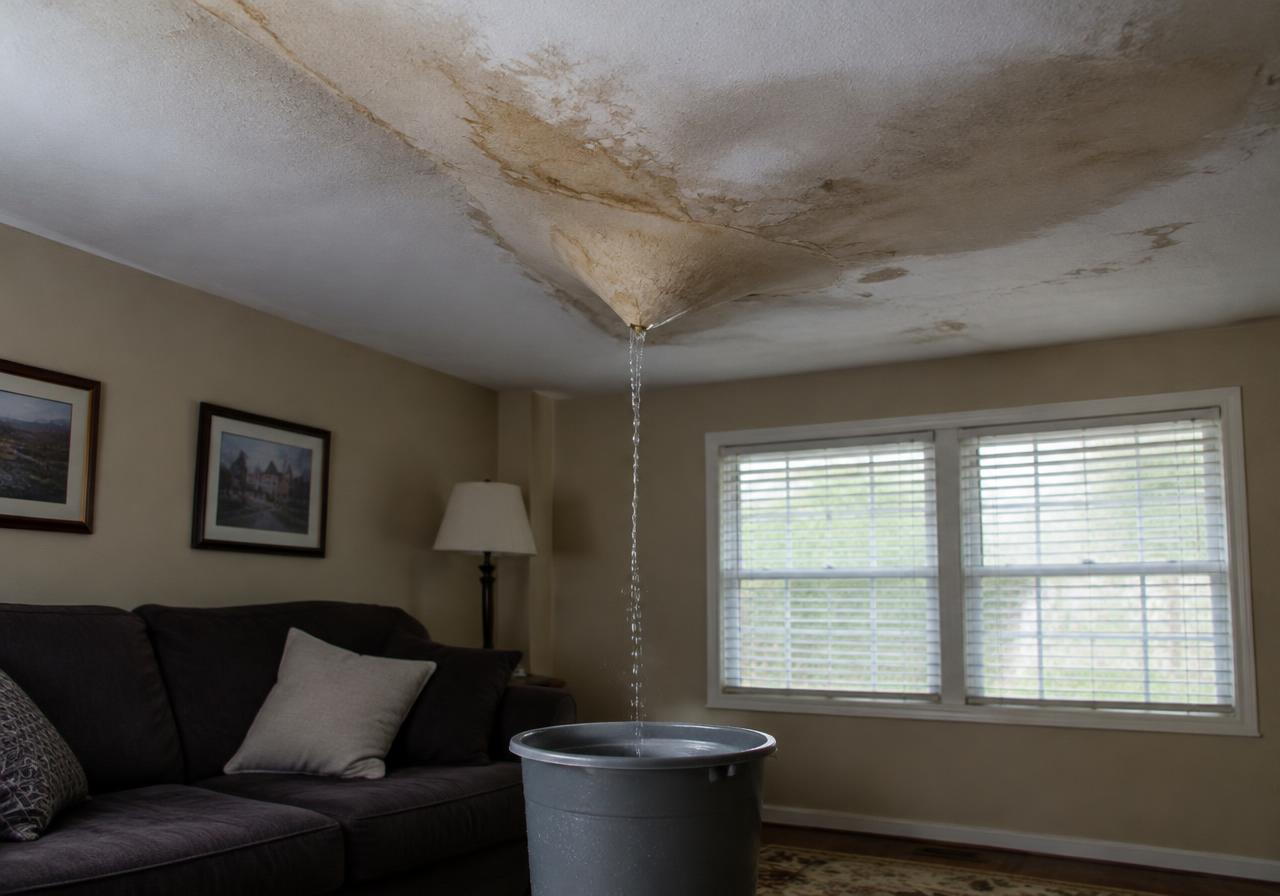
Visible water stains, discoloration, or bubbling/peeling paint on walls, ceilings, or floors are direct indicators of a hidden leak, signaling that water has already breached a surface. These signs commonly appear as rings, blotches, or streaks that might be yellow, brown, or dark in color, indicating the presence of moisture and possibly mineral deposits from the water.
In New Jersey homes, especially those with basements, these stains might first appear near plumbing fixtures, pipes, or in corners where water collects. Peeling or bubbling paint and wallpaper occur when moisture gets behind the surface, weakening its adhesion. Even subtle changes in a wall's texture or a faint, musty odor accompanying these visual cues can point to a leak that has been active for some time. It's crucial not to dismiss these aesthetic issues as merely cosmetic, as they are often the visible tip of a much larger, unseen water problem that needs immediate investigation.
Warning Sign 3: Musty Odors or Persistent Dampness
A persistent musty odor in your home, especially in areas like basements, bathrooms, or near kitchens, is a strong indicator of a hidden water leak and potential mold growth. Mold thrives in damp, dark environments and produces volatile organic compounds (VOCs) that give off a distinctive, earthy, or stale smell. This odor often becomes more noticeable in humid conditions, which are common in New Jersey summers.
Even if you don't see visible water, if you consistently smell mildew, it means that water is present somewhere, feeding microbial growth. Coupled with a feeling of unexplained dampness on surfaces or in the air, this points to an ongoing moisture problem that needs professional attention. Neglecting these smells allows mold to spread, potentially affecting indoor air quality and causing structural damage. Prompt investigation by experienced plumbers can locate the source of the moisture, even if it's hidden behind walls or under flooring, allowing for proper remediation before mold becomes a widespread issue.
Warning Sign 4: Sagging Ceilings or Warped Floors
Sagging ceilings or warped floors are advanced signs of a hidden water leak, indicating significant structural damage due to prolonged exposure to moisture. When water saturates drywall or plaster in a ceiling, it loses its rigidity and begins to droop or bulge under its own weight, often forming a noticeable 'belly.' Similarly, hardwood, laminate, or even vinyl flooring can absorb moisture, causing planks to swell, cup, buckle, or lift from the subfloor.
In New Jersey's varied housing stock, from historic brownstones to suburban colonials, these structural changes can be particularly concerning. Warping or sagging isn't just an aesthetic problem; it compromises the structural integrity of your home. This type of damage suggests a leak has been active for an extended period, allowing water to saturate building materials. Immediate professional assessment is critical when these signs appear, as they signify a substantial hidden leak that requires urgent repair and subsequent water damage restoration to prevent further collapse or deterioration.
Warning Sign 5: Soft Spots or Damaged Drywall
Soft spots on walls or ceilings, or visibly damaged drywall that crumbles or feels spongy, are clear indicators that a hidden water leak is actively saturating building materials. When drywall or plaster absorbs water over time, its structural integrity diminishes, making it soft to the touch and prone to crumbling or breaking apart with minimal pressure. This can occur anywhere a pipe runs, including behind bathroom tiles, kitchen cabinets, or along basement walls.
These soft spots might also be accompanied by a change in texture or a subtle bulge in the wall. The longer the leak persists, the more extensive the saturation, leading to more significant damage. In New Jersey homes, where basements are common, these issues frequently arise in lower wall sections or around utility pipes. Identifying and addressing these soft spots early is crucial, as they signal an active leak that is degrading your home's structure and creating conditions ripe for mold growth.
Warning Sign 6: Pooling Water or Puddles (Even Small Ones)
The presence of pooling water or recurring puddles in unexpected areas, even if small, is a direct and undeniable sign of an active water leak in your New Jersey home. While large floods are obvious, small, persistent puddles under sinks, near water heaters, around toilet bases, or in laundry areas often go unnoticed until they've caused significant damage. These small accumulations of water indicate that a pipe, fitting, or appliance is actively dripping or slowly seeping.
In basements, concrete floors can sometimes disguise small leaks, but careful inspection can reveal subtle damp patches or mineral deposits around the perimeter. Even if you wipe up a puddle and it reappears, it confirms an ongoing source of water. These seemingly minor instances are critical to address immediately, as they point to an active leak that will continue to cause damage and attract pests if left unattended. Prompt action can prevent minor water issues from escalating into major water damage restoration projects.
Warning Sign 7: Hearing Dripping or Running Water Sounds
Hearing the distinct sound of dripping or running water when no faucets or appliances are in use is a strong auditory clue that you have a hidden leak somewhere within your New Jersey home's plumbing system. This sound might be faint, especially if the leak is small, but in a quiet house, it can become noticeable. You might hear it coming from within walls, under floors, or from behind fixtures.
The sound could indicate a constantly running toilet flapper, a pinhole leak in a pipe, or a loose connection that allows water to escape. Listen carefully in areas where plumbing is concentrated, such as bathrooms, kitchens, laundry rooms, and basements. If you can consistently hear water running or dripping, even after confirming all taps are off and appliances are not operating, it’s highly probable there’s a hidden leak. This auditory signal often precedes visible signs of damage, offering an early warning that can help you intervene before the problem becomes more extensive.
How do water damage cleanup and insurance claims fit in after a leak?
Once a hidden leak is identified and repaired, the process often shifts to water damage cleanup and, if applicable, initiating an insurance claim, especially for New Jersey homeowners. Water extraction is the first critical step for any standing water, followed by thorough drying of all affected areas and materials to prevent secondary damage like mold growth, which can start within 24-48 hours. Our team provides comprehensive water extraction, water damage cleanup, drying, and restoration services to return your home to its pre-damage condition.
For insurance claims, we can assist by providing essential documentation, including detailed photos of the damage, moisture readings, and thorough reports to support your claim. We speak directly with the insurance adjuster to ensure they have all necessary information for a complete assessment. It's important to remember that the homeowner files and controls their claim, and coverage depends entirely on the specifics of their individual policy. Our role is to provide the data and expert assessment needed to facilitate that process, helping New Jersey residents navigate the aftermath of a hidden leak effectively from repair to restoration.