
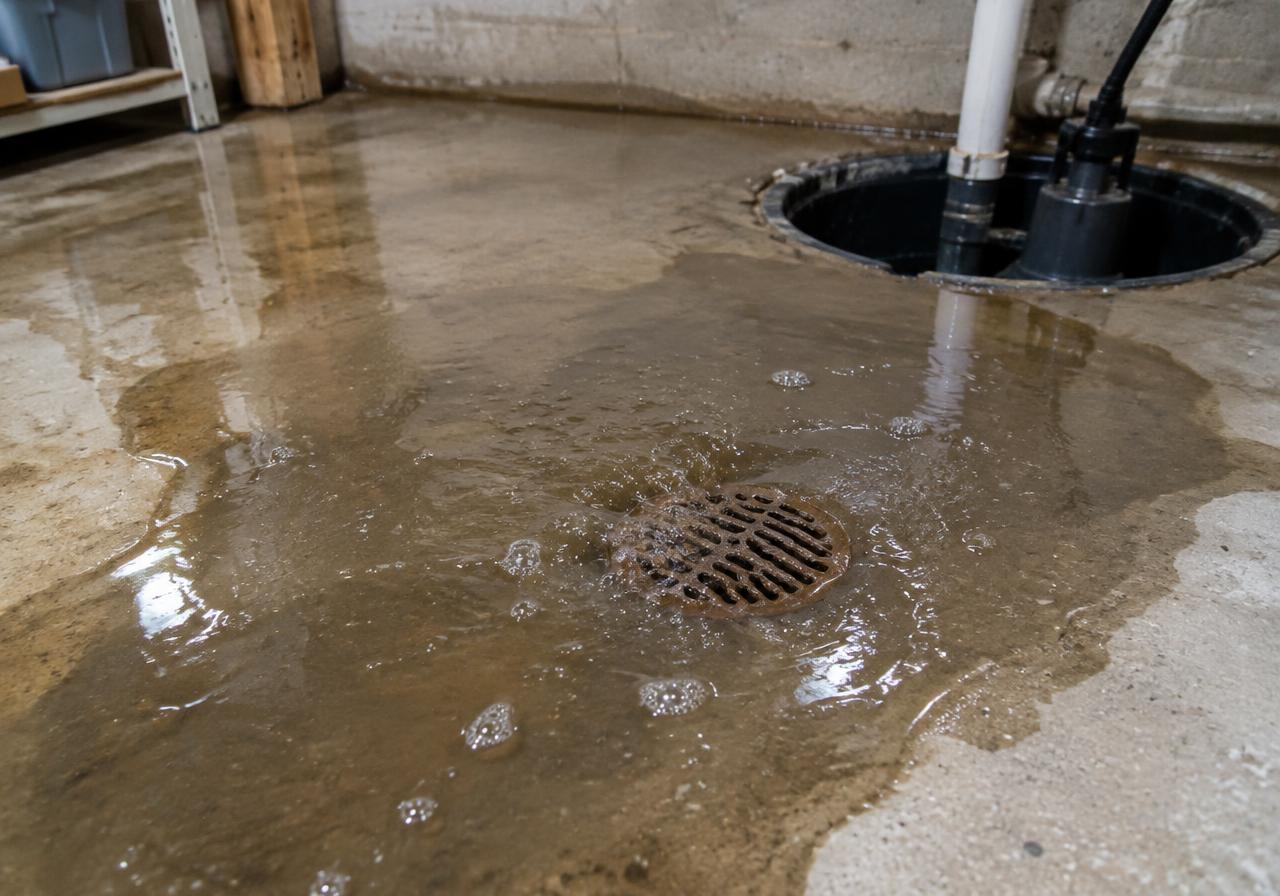
What are the immediate steps to take when you discover a flooded basement in New Jersey?
Upon discovering a flooded basement in your New Jersey home, your immediate priority should be safety, followed by stopping the water source if possible, and then minimizing further damage. Given New Jersey's susceptibility to severe weather events like nor'easters, heavy rainstorms, and the freeze-thaw cycles that can lead to burst pipes, acting quickly and methodically is crucial. First, ensure the power is off to the affected area; if you can safely access your electrical panel and turn off the main breaker or the breakers specifically feeding the basement, do so. If the water level is high or you suspect electrical outlets are submerged, do not enter the water and call an electrician or your power company immediately. Your safety is paramount, as water and electricity create an extremely hazardous situation.
Next, try to identify and stop the source of the water if it's an internal plumbing issue, such as a burst pipe, leaking water heater, or overflowing appliance. For external sources like foundation leaks or severe storm runoff, stopping the water ingress can be more challenging and might require professional intervention. For internal leaks, locating the main water shut-off valve for your home and turning it off will halt the flow of water. Many New Jersey homes, particularly older ones, have basements that house water heaters, furnaces, and laundry machines, making them vulnerable to internal plumbing failures. Once the water flow is stopped and electrical hazards are addressed, you can begin assessing the extent of the flooding from a safe distance.
How do New Jersey's climate and housing impact basement flooding risks?
New Jersey's diverse climate and older housing stock significantly contribute to the frequency and severity of basement flooding. Our winters bring freeze-thaw cycles, especially common in Bergen, Passaic, and Morris counties, where pipes can freeze and burst, leading to sudden and extensive water damage in basements. Conversely, our spring and summer seasons are characterized by heavy rainstorms, and proximity to the Atlantic Ocean means we are vulnerable to nor'easters and tropical storm remnants that can cause widespread flooding, particularly in coastal counties like Monmouth and Ocean, but also inland areas due to saturated ground and overwhelmed storm drains.
Many New Jersey homes, particularly those in older municipalities across Hudson, Essex, and Union counties, feature basements that are integral parts of the structure, often housing utilities. Over time, foundations can develop cracks, sump pumps can fail, and exterior drainage systems may become ineffective, making these basements susceptible to water intrusion from hydrostatic pressure or overland flow during heavy precipitation. The age of plumbing systems in these homes also increases the risk of leaks and bursts. Understanding these specific New Jersey challenges underscores why swift action and professional assistance are often necessary after a basement flood event.
What are common mistakes New Jersey homeowners make during basement flood cleanup?
One of the most common and dangerous mistakes New Jersey homeowners make during basement flood cleanup is re-entering a flooded area without confirming that the power supply has been safely shut off. The presence of submerged electrical outlets, appliances, or wiring creates a severe electrocution risk, especially in older homes where wiring might not be up to current codes. Another significant error is delaying the water extraction and drying process, which can drastically increase the scope of damage. Given New Jersey's humid summers and generally damp climate, mold can begin to grow on organic materials within 24-48 hours if moisture is not thoroughly removed, leading to further structural issues and potential health concerns.
Underestimating the extent of water saturation is another frequent mistake. Water can wick up walls, seep under flooring, and penetrate porous materials like drywall, insulation, and wood, often unseen. Simply mopping up visible water is insufficient; residual moisture can cause long-term damage, including warping, rotting, and mold growth. Many homeowners also attempt to dry the area themselves using household fans, which are often inadequate for thorough structural drying. Improper disposal of contaminated items, particularly if the water source was sewage-related, is another critical error, as it poses health risks. Finally, failing to meticulously document the damage with photos and videos before starting cleanup can hinder the insurance claims process later on, which is vital for New Jersey property owners facing unexpected water damage.
When should I call a professional plumbing and water damage restoration company for a flooded basement?
You should call a professional plumbing and water damage restoration company like Pipe Rescue Plumbing immediately if your flooded basement involves significant water depth, potential electrical hazards, or if the water source is unclear or uncontrollable. Our team at (888) 886-4784 can assist homeowners throughout Bergen, Hudson, Essex, Passaic, Morris, Union, Middlesex, Monmouth, Ocean, Somerset, Mercer, Hunterdon, Burlington, Sussex, and Warren counties. For situations where the water is more than a few inches deep, or if the water is suspected to be from a sewage backup, professional intervention is critical due to health risks and the specialized equipment required for safe and effective cleanup. Attempting to handle large-scale flooding yourself can be dangerous and may lead to incomplete drying, leaving your home susceptible to mold and further structural damage.
Professionals are also essential when the water source is a complex plumbing issue, such as a burst pipe behind a wall or a malfunctioning water heater that requires immediate repair. We not only address the water extraction but also provide comprehensive water damage cleanup, drying, and restoration services. If you've experienced flooding from external sources like heavy rain or overflowing rivers, common during New Jersey's storm season, and your basement has sustained significant water intrusion, a professional assessment will ensure all affected areas are properly identified and treated. Early professional intervention can save you time, money, and stress in the long run by preventing secondary damage and ensuring a thorough restoration.
How does water extraction and drying work in a New Jersey basement flood?
Professional water extraction and drying in a New Jersey basement flood involve a systematic process designed to remove all standing water and then eliminate hidden moisture to prevent secondary damage like mold growth and structural decay. First, powerful commercial-grade pumps and extractors are used to rapidly remove standing water from the basement. This step is critical, especially in homes across the varied terrains of North and Central New Jersey, where basements are common and often serve as utility hubs. The speed of extraction helps mitigate how deeply water penetrates materials.
Following water removal, the drying phase begins, utilizing specialized equipment such as industrial-strength air movers and dehumidifiers. Air movers circulate air across wet surfaces to encourage evaporation, while high-capacity dehumidifiers pull moisture from the air, lowering the relative humidity within the space. This combination is particularly effective in combating New Jersey's often humid climate, which can hinder natural drying processes. Technicians also use moisture meters and thermal imaging cameras to detect hidden moisture within walls, under flooring, and in other structural elements, ensuring that even concealed areas are thoroughly dried. Proper drying prevents the onset of mold, which can begin to develop in as little as 24-48 hours, and helps preserve the integrity of your home's structure.
What is involved in the water damage cleanup and restoration process?
The water damage cleanup and restoration process extends beyond simple drying, encompassing a comprehensive approach to return your New Jersey basement to its pre-loss condition, addressing both visible and unseen damage. After water extraction and drying, affected materials such as damaged drywall, insulation, carpeting, and baseboards that cannot be salvaged are safely removed. This step is crucial for preventing mold growth and eliminating materials that have absorbed significant amounts of water and are structurally compromised. Depending on the water source, sanitization and deodorization may also be necessary to address contaminants and eliminate odors, particularly in cases of sewage backup.
Once the area is clean, dry, and sanitized, the restoration phase begins. This can range from minor repairs, like replacing a section of drywall or reinstalling baseboards, to more extensive reconstruction, such as new flooring, painting, and even structural repairs if the flood caused significant damage to framing or foundations. For homeowners in counties like Middlesex or Somerset, who might have finished basements, this restoration work can be quite involved. The goal is to not only fix the immediate damage but also to ensure the long-term integrity and safety of your basement space. Throughout this process, communication about the scope of work and pricing is maintained, ensuring you understand the steps involved before work begins.
How can I document basement flood damage for an insurance claim?
Documenting basement flood damage for an insurance claim in New Jersey requires thorough and meticulous record-keeping to support your claim effectively. Immediately after ensuring safety, begin taking a comprehensive set of photos and videos of all damaged areas and items before anything is moved or cleaned. Capture wide shots of the flooded rooms, then zoom in on specific damaged items, including furniture, appliances, personal belongings, and structural elements like walls, flooring, and baseboards. Be sure to photograph the water lines on walls and any visible mold growth, as well as the identifiable source of the water if possible.
Maintain a detailed inventory of all damaged or destroyed items, noting their age, condition, and estimated replacement cost. Keep receipts for any immediate expenses incurred, such as clean-up supplies or temporary housing if necessary. A professional water damage company like Pipe Rescue Plumbing will also conduct moisture readings and provide detailed documentation of the drying and restoration process, which is invaluable for your claim. This includes reports, photos, and invoices. While our team will assist with documentation and speak with your adjuster, remember that you, the homeowner, are responsible for filing and controlling your insurance claim; coverage ultimately depends on the specifics of your policy.
Does homeowner's insurance cover basement flooding in New Jersey?
Whether homeowner's insurance covers basement flooding in New Jersey depends entirely on the specific cause of the flood and the details of your individual policy. Generally, standard homeowner's insurance policies typically cover damage caused by sudden and accidental events, such as a burst pipe, a leaking water heater, or an overflowing washing machine. For instance, if your basement in Union or Essex County floods due to a plumbing failure within your home, coverage is usually provided under your dwelling or personal property coverage, subject to your deductible.
However, most standard homeowner's policies explicitly exclude damage from external causes like natural floods (e.g., rivers overflowing, heavy rainfall causing water to enter through the foundation or windows) or sewer backups. For these types of perils, you would typically need separate flood insurance (often purchased through the National Flood Insurance Program) or an endorsement for sewer and drain backup coverage. Given New Jersey's coastal areas and susceptibility to significant rain events, many homeowners in counties like Monmouth, Ocean, and Burlington choose to carry these additional coverages. It's crucial to review your policy documents or speak with your insurance agent to understand your specific coverages and limitations before a disaster strikes. Pipe Rescue Plumbing provides documentation, including photos and moisture readings, to help facilitate your claim, but the filing and ultimate coverage decision rest with you and your insurer.
How can I prevent future basement flooding in my New Jersey home?
Preventing future basement flooding in your New Jersey home involves a combination of proactive maintenance, addressing potential vulnerabilities, and preparing for our unique climate challenges. One of the most effective steps is to regularly inspect and maintain your plumbing system. For instance, in older homes common in Bergen or Hudson counties, regular checks of water heaters, washing machine hoses, and pipes can identify small leaks before they escalate into major floods. During winter, especially in colder northern counties like Sussex or Warren, it's vital to insulate exposed pipes and consider letting faucets drip during extreme cold snaps to prevent freezing and bursting.
Externally, ensure your property has proper drainage away from your foundation. This includes maintaining clear gutters and downspouts, extending downspouts away from the house, and ensuring the ground slopes away from your foundation. Consider installing or maintaining a sump pump, especially if your basement is prone to water intrusion from heavy New Jersey rains or high water tables, common in many areas. Regularly test your sump pump and consider a battery backup system for power outages. Sealing foundation cracks and installing proper waterproofing membranes can also help. For homes in areas susceptible to severe storms, like those along the shore, elevated utilities and backwater valves can provide additional protection against floodwaters and sewage backups. Proactive measures can significantly reduce the risk and impact of future basement floods.
Why choose Pipe Rescue Plumbing for flooded basement services in North and Central New Jersey?
Choosing Pipe Rescue Plumbing for your flooded basement needs in North and Central New Jersey means entrusting your home to a professional and reliable team dedicated to efficient and thorough restoration. We understand the unique challenges faced by homeowners across Bergen, Hudson, Essex, Passaic, Morris, Union, Middlesex, Monmouth, Ocean, Somerset, Mercer, Hunterdon, Burlington, Sussex, and Warren counties. Our services encompass comprehensive plumbing repair, water extraction, water damage cleanup, drying, and full restoration, ensuring that every aspect of the flood damage is addressed, from the initial leak to the final repairs. We are located at 560 Sylvan Ave Suite 3160, Englewood Cliffs, NJ 07632, and can be reached at (888) 886-4784.
We prioritize clear communication and transparency throughout the entire process. Before any work begins, we explain the pricing and the scope of services, ensuring you are fully informed. Our team is equipped to handle everything from burst pipe repairs to extensive flooded basement cleanup, using appropriate tools and techniques to thoroughly dry your property and prevent secondary issues like mold. Furthermore, we provide crucial support for your insurance claim by offering detailed documentation, including photos and moisture readings, and can speak with your adjuster to help facilitate the process. While you file and control your claim, our documentation can be a valuable asset. When you're facing the stress of a flooded basement, you need a partner who can provide expert, timely, and professional assistance, and that's precisely what Pipe Rescue Plumbing delivers.